DEXRON is a transmission-fluid requirement, not a viscosity grade
DEXRON VI, DEXRON-HP and DEXRON ULV are General Motors automatic transmission fluid (ATF) designations. Each identifies a fluid intended to deliver a particular combination of friction behavior, low-temperature flow, oxidation resistance, wear protection and hydraulic performance in a specified transmission family.
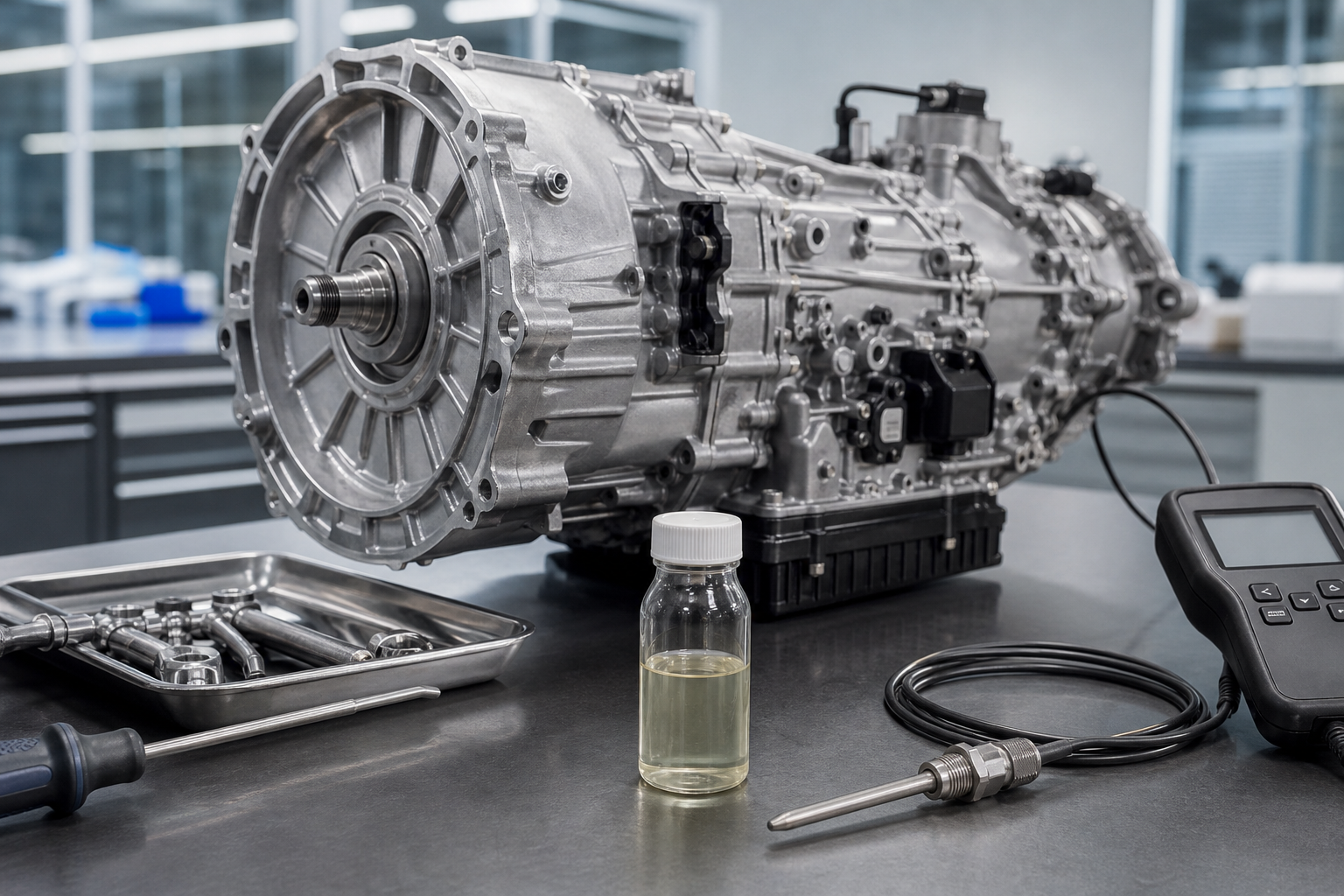
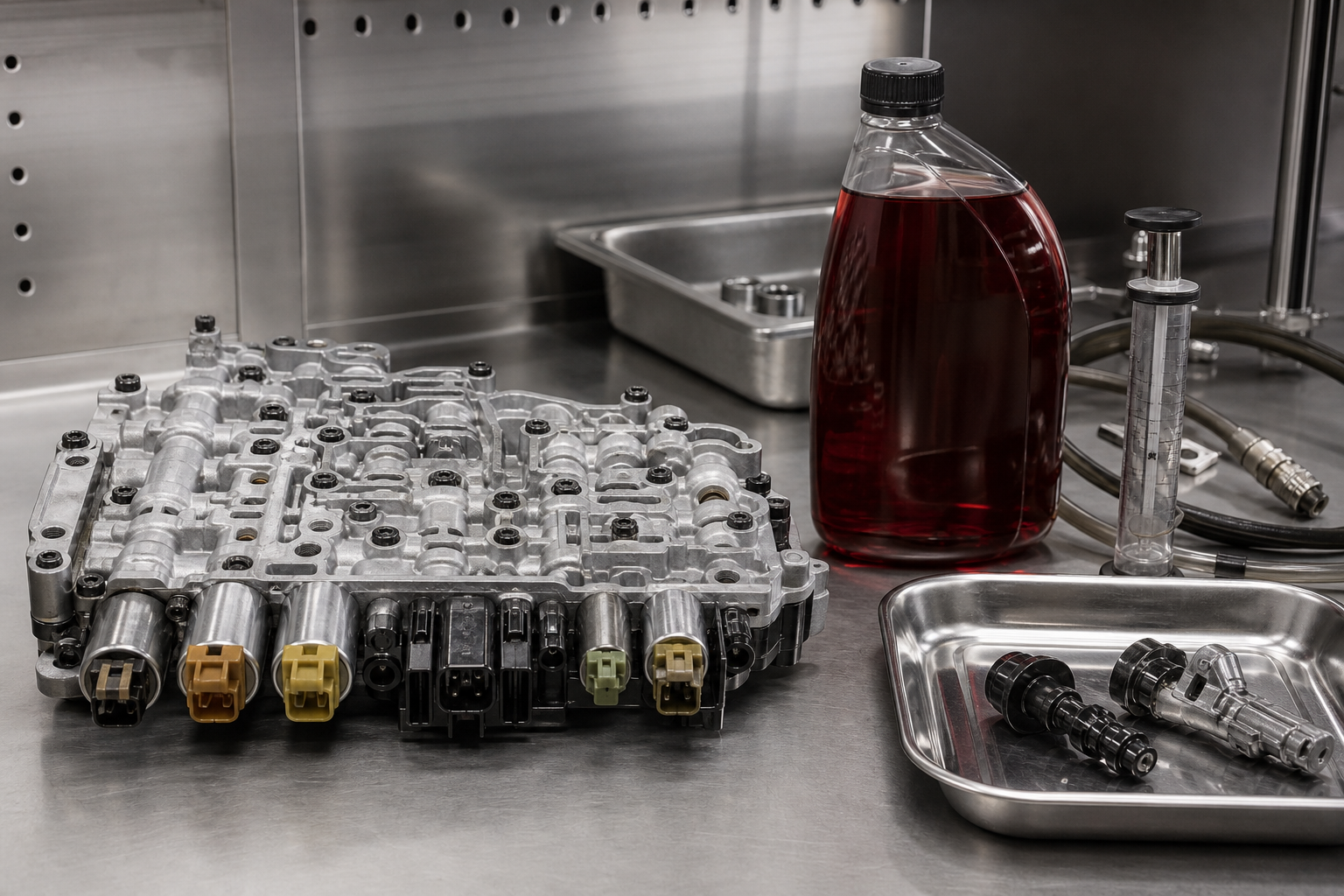
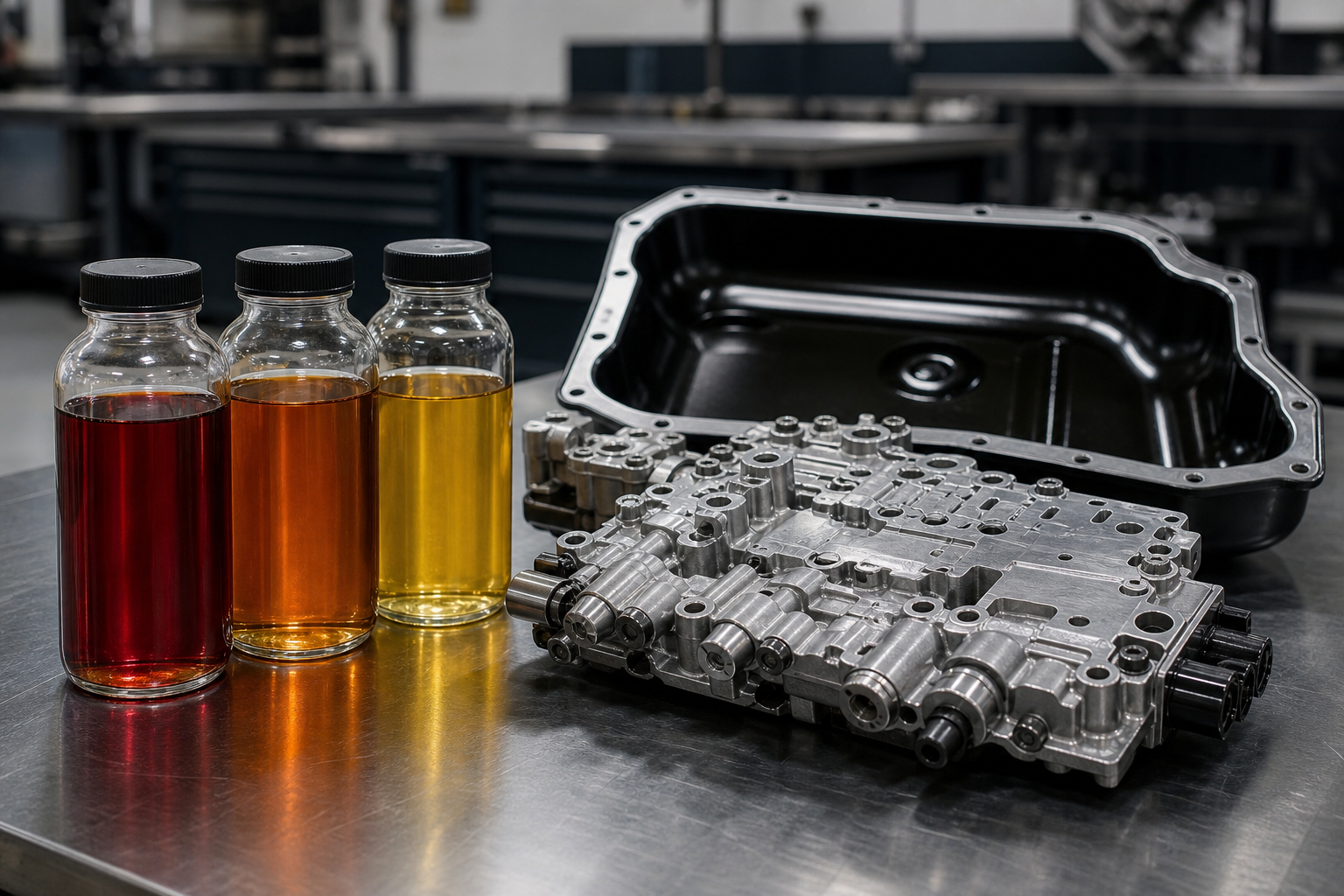
That matters because ATF does more than lubricate gears and bearings. In a conventional automatic transmission, it also transmits hydraulic pressure, operates valves and solenoids, cools internal parts, and controls how clutch packs and the torque-converter clutch engage. A fluid can have an appropriate-looking red color and still have the wrong friction characteristics or viscosity for the unit being serviced.
Unlike an engine-oil viscosity label such as 0W-20, a DEXRON name is not a simple measure of thickness. Nor is the newest-looking DEXRON product automatically the best substitute for an older one. The correct choice is the exact fluid named in the current owner’s manual or service information for the vehicle and transmission.
The practical distinction among VI, HP and ULV
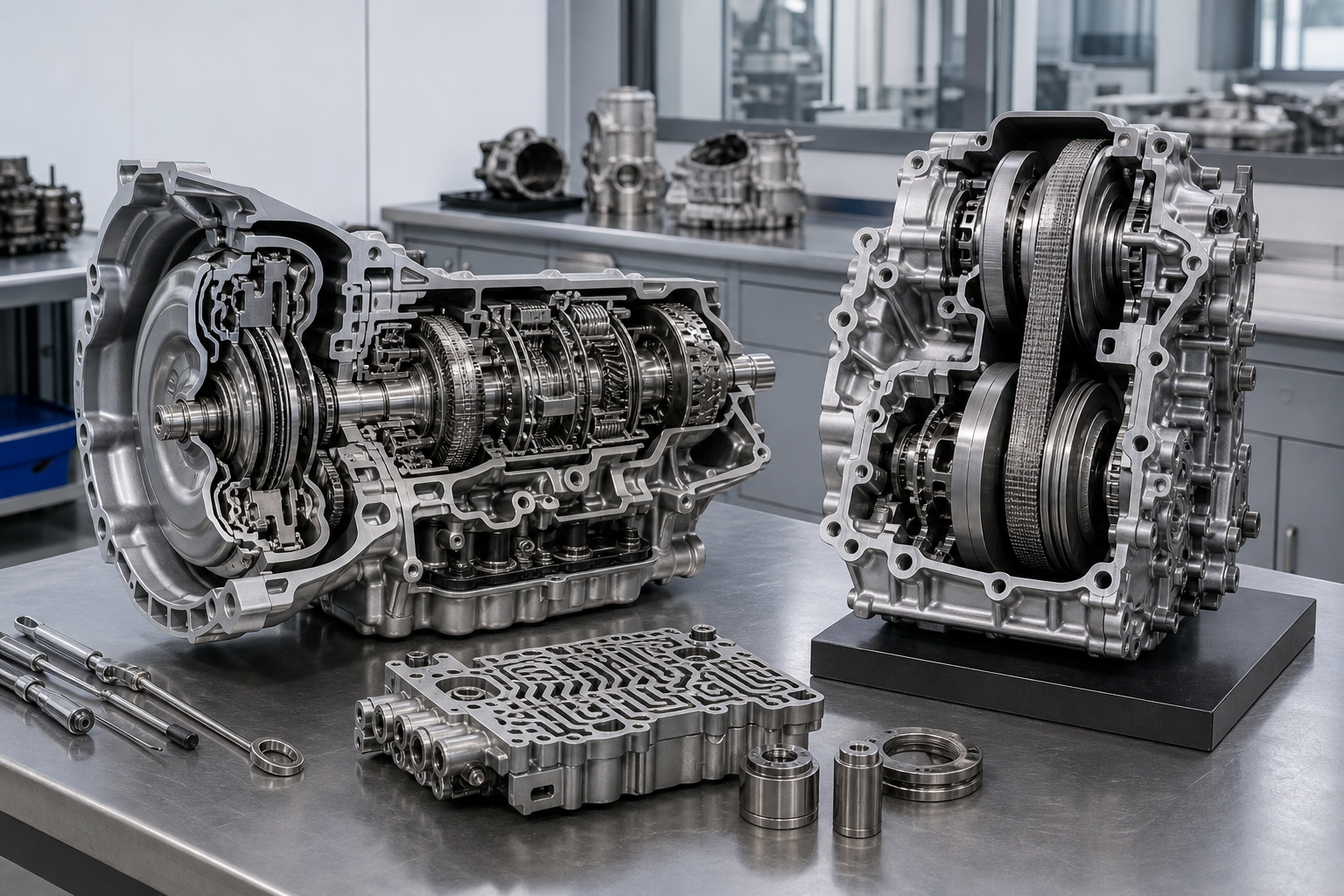
GM documentation shows that these names can be assigned to different transmissions within the same vehicle range. For example, the 2022 Chevrolet Silverado 1500 LTD owner’s manual specifies DEXRON VI for its 6-speed automatic, DEXRON-HP for its 8-speed automatic, and DEXRON ULV for its 10-speed automatic. That is a clear warning against selecting ATF by model badge, engine, or model year alone.
| Fluid designation | What it means in practice | Selection rule |
|---|---|---|
| DEXRON VI | A GM ATF requirement used in many applications, including certain 6-speed automatics. | Use only where the vehicle documentation calls for DEXRON VI or explicitly permits it. |
| DEXRON-HP | A separate high-performance ATF requirement used in certain GM 8-speed applications. | Do not treat it as a generic upgrade from DEXRON VI. |
| DEXRON ULV | An ultra-low-viscosity ATF requirement used in certain GM 10-speed applications. | Do not substitute it merely because it is thinner or newer. |
The letters HP and ULV should therefore be read as part of the complete requirement name. HP means High Performance; ULV means Ultra-Low Viscosity. Neither term, by itself, tells a technician that the fluid is suitable for every performance-oriented or fuel-economy-focused transmission.
Why a “better” or thinner fluid is not necessarily compatible
Automatic transmissions are calibrated around fluid properties. The transmission control module commands solenoids and clutch pressure based on the expected response of the specified ATF. Clutch materials and torque-converter clutch systems also depend on a controlled friction response rather than maximum slipperiness or maximum friction.
For that reason, DEXRON VI, HP and ULV should not be viewed as a simple upward sequence. A later specification may have been developed for a different transmission design, different hydraulic clearances, different temperature targets or different clutch-control strategy. A lower-viscosity fluid can help a transmission meet its intended efficiency target, but only when the hardware and calibration were designed for it.
This point also applies to products described as multi-vehicle or universal ATF. Such a product may be suitable for a particular application, but the container or current product data sheet should state the exact requirement needed. A broad statement such as “for GM vehicles” is not enough to establish suitability for DEXRON-HP or DEXRON ULV.
For a broader explanation of this issue, see why universal ATF claims need verification.
How to identify the right fluid before service
Identify the transmission, not just the vehicle. A model may have more than one automatic transmission depending on engine, drivetrain, production date or package.
Check the owner’s manual first. Use the fluid-and-lubricant chart for the exact model year. For repair work, use current manufacturer service information as well.
Match the complete requirement. If the chart says DEXRON ULV, select a product that explicitly identifies DEXRON ULV suitability. Do not stop at “DEXRON,” “full synthetic,” or “low viscosity.”
Check the product documentation. A reputable supplier’s current technical data sheet should identify the approvals or applications claimed for that exact product.
Follow the prescribed fill procedure. Many modern transmissions require a defined fluid temperature, vehicle position and engine-running condition when the level is checked. Adding a correct fluid to an incorrect level can still cause shift or durability problems.
Do not confuse transmission fluid with other GM fluid uses
DEXRON names can appear in unexpected places. For example, some GM documentation specifies DEXRON VI for a power-steering system, while a high-performance Camaro supplement identifies DEXRON III ATF for a particular manual transmission. Those examples do not mean that any DEXRON fluid is interchangeable throughout the vehicle. They show why the component-specific fluid chart is decisive.
Similarly, a transmission’s fluid requirement is separate from its gear oil, transfer-case fluid, differential lubricant and engine oil requirement. The terminology can be confusing, especially because lubricants perform several jobs at once. The lubrication glossary explains common terms used on fluid labels and data sheets.
The bottom line
DEXRON VI, DEXRON-HP and DEXRON ULV are distinct ATF requirements. The appropriate one is determined by the exact transmission installed in the vehicle, not by fluid color, bottle size, the word “synthetic,” or an assumption that a thinner or newer fluid must supersede an older one. Before topping up or performing a drain-and-fill, verify the current manufacturer documentation and use a fluid that explicitly matches the specified requirement.