Technical articles
Knowledge that protects engines

Practical, independent explanations of oil specifications, viscosity, lubrication, engine protection, and automotive fluids.

31 articles 4 topics
Automotive lubricant testing in a modern laboratory

Featured insight

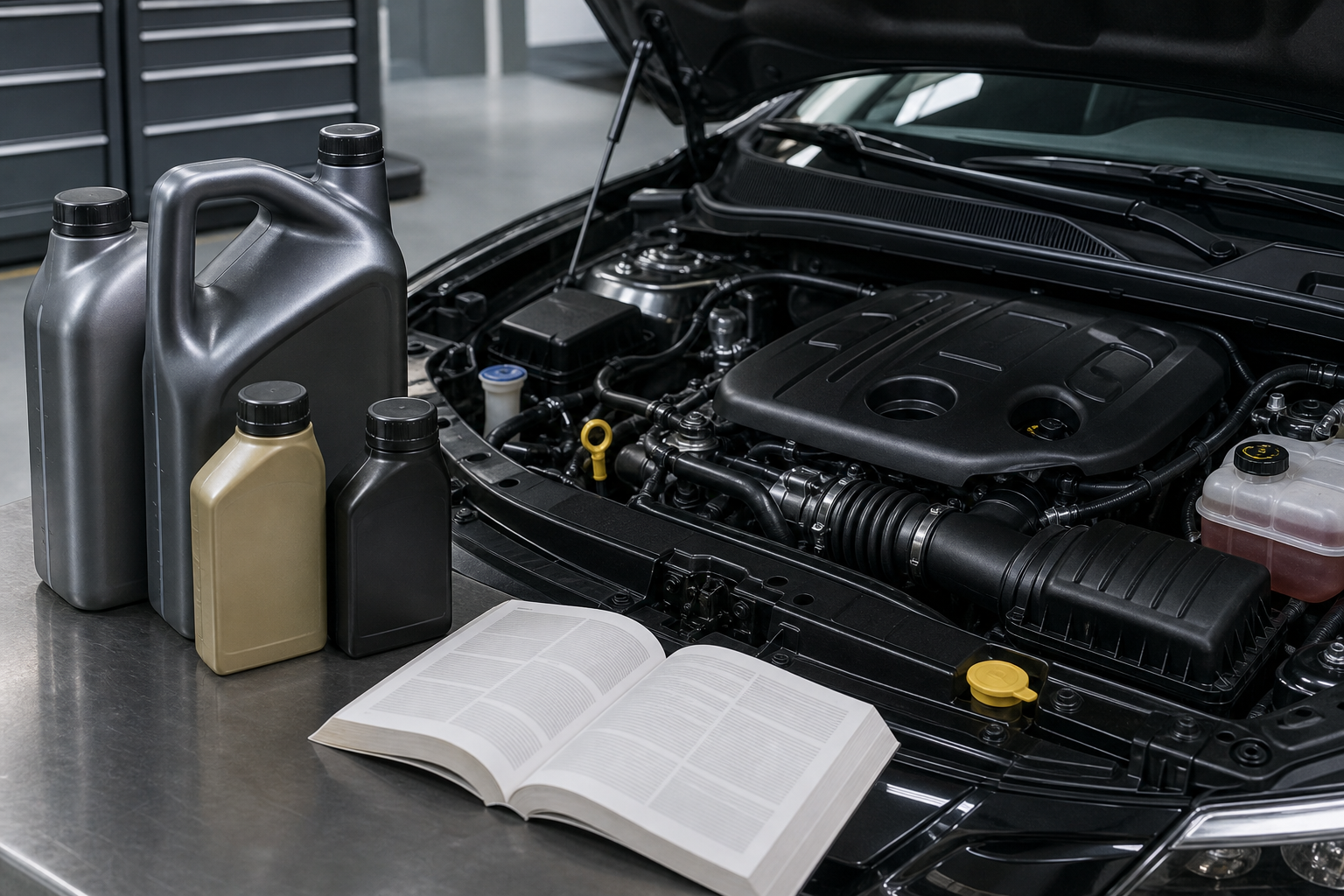
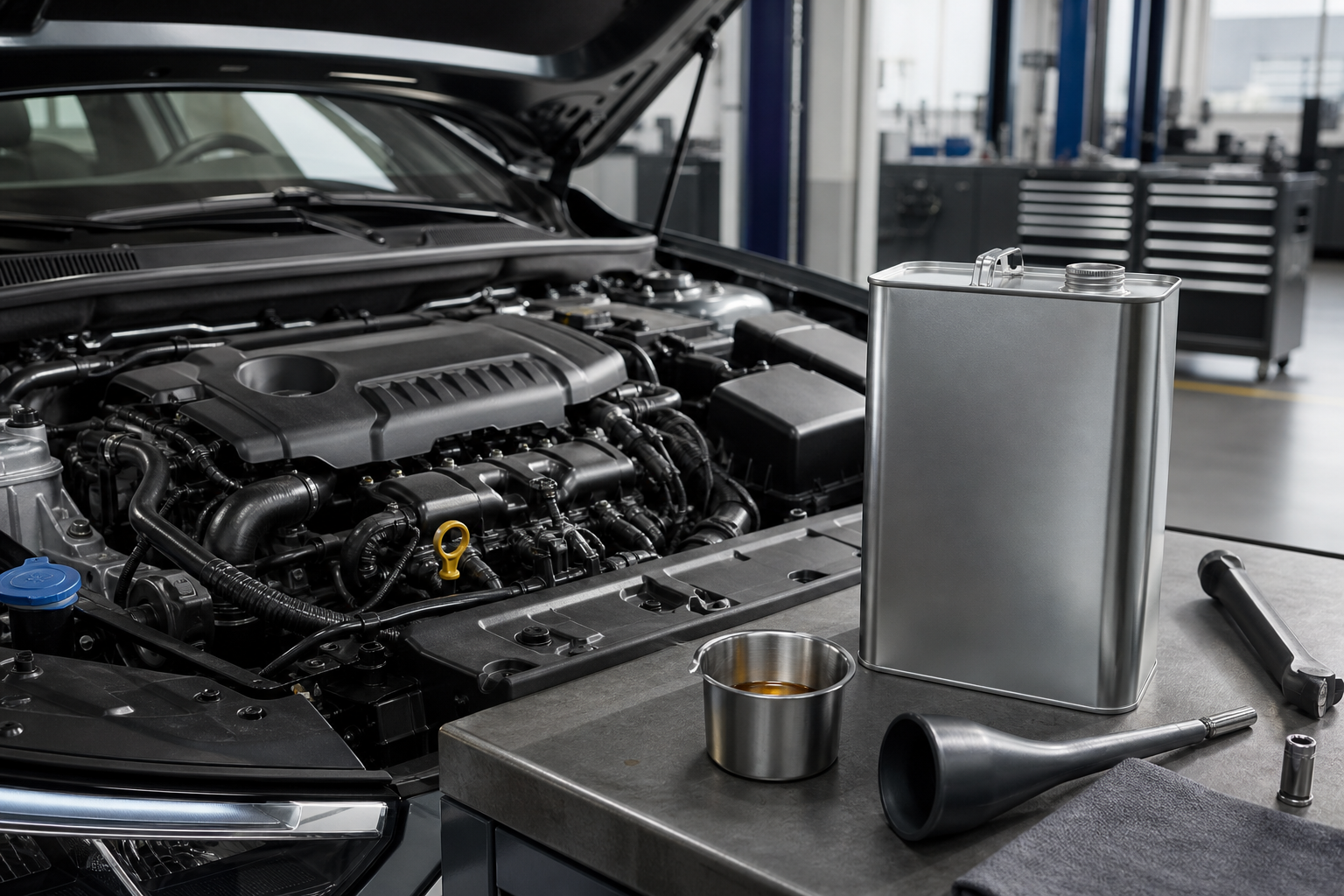
Unbranded engine-oil containers beside a modern passenger-car engine bay for an article about Mercedes-Benz oil approvals.
Specifications Explained

Mercedes-Benz MB 229 Oil Approvals Explained: 229.5, 229.51, 229.52, 229.71 and 229.72

Mercedes-Benz oil requirements are defined by approval numbers, not viscosity alone. This guide explains the practical differences between MB 229.5, 229.51, 229.52, 229.71 and 229.72, what “Low SPAsh” means, and how to verify the correct oil for a specific Mercedes-Benz passenger car or van.

Read featured article
Specifications Explained Generic unbranded engine-oil containers beside an open vehicle manual on a clean workshop bench.

ACEA Engine-Oil Claims Explained: Why a Sequence Is Not a Vehicle Approval

An ACEA sequence such as C3-23 or A7/B7-23 describes a defined engine-oil performance category, but it does not automatically authorize that oil for every vehicle that appears broadly compatible. Learn how to read ACEA claims, what the suffix means, and why the manufacturer requirement remains decisive.

Read article
Specifications Explained Close technical view of unbranded automotive differential gears and manual transmission components on a clean workshop bench.

API GL-4 and GL-5 Explained: Why a Gear-Oil Label Is Not a Universal Approval

API GL-4 and GL-5 are often treated as a simple ladder of gear-oil performance. They are not. Learn what the designations were designed to cover, why GL-5 remains the only API gear-lubricant designation in current use, and why the exact vehicle requirement still comes first.

Read article
Specifications Explained Unbranded motor-oil containers beside clean engine components in a technical workshop setting.

API SQ and ILSAC GF-7 Explained: What the New Gasoline Oil Standards Mean

API SQ and ILSAC GF-7 became available in March 2025. This guide explains the relationship between SQ, GF-7A and GF-7B, the API Donut, Starburst and Shield marks, and why the newest general standard does not replace a vehicle maker’s specific oil requirement.

Read article
Oils and Lubrication oil-change

BMW Motor Oil Specifications Explained: LL-22 FE++, LL-19 FE and More

Modern BMW engines may require anything from 0W-12 fuel-economy oil to specialized 10W-60 lubricant. Learn how BMW Longlife approvals work, which standards apply to newer engines, and why the owner’s manual matters more than viscosity alone.

Read article
Specifications Explained A technician adds engine oil to a premium European heavy-duty truck.

New Mercedes Heavy Duty Specifications

Introduction The previous MB commercial vehicle guidelines are being updated and replaced. New Requirements by Daimler Truck Daimler Truck has introduced a new, independent set of requirements for engine oils and other lubricants used in...

Read article
Specifications Explained Golden motor oil protects a turbocharged engine, timing chain, and pistons.

API SP Engine Oil Category

On May 1, 2020 the American petroleum Institute (API) announced that service category SP has been accepted and available for licensing. The goal of this category was to make sure that motor oils meeting the...

Read article
Other Automotive Fluids A technician checks brake fluid beside a disc brake and hydraulic test rig.

The Essential Role and Crucial Properties of Brake Fluid

Brake fluid is a vital component of any modern automotive braking system. Its role in ensuring the safe operation of vehicles cannot be overstated, as it directly affects the performance and reliability of the braking...

Read article
Specifications Explained A scientist evaluates low-viscosity motor oil beside a turbocharged engine test rig.

The most recent GM motor oil specification: Dexos 1 Gen 3

Motor oil development is primarily driven by environmental considerations, the reduction of CO2 emissions and increase in fuel economy, through impacting the development of engine technologies. The increasingly strict emission regulations force engine manufacturers to...

Read article
Specifications Explained A modern turbocharged hybrid powertrain is protected by flowing golden motor oil.

Introducing the ACEA A7/B7 and C6 Specifications

The 2021 and the 2022 update to the ACEA sequences bring new categories for passenger cars and light duty vehicles. ACEA A7/B7's predecessor, the A5/B5 category remains for now and can still be used by...

Read article
Specifications Explained A heavy-duty diesel engine and exhaust aftertreatment system undergo laboratory testing.

Introducing the ACEA E8 and E11 Specifications

2022 brings a long-awaited update of the ACEA Engine Oil Sequences in the heavy-duty category, which have not been updated since 2016. E8 replaces E6, while E11 replaces E9 starting from May 2022. So, the...

Read article
Oils and Lubrication A cutaway engine contrasts abnormal pre-ignition with normal combustion.

What is Low Speed Pre-Ignition (LSPI) and How Can It Be Avoided?

Engine manufacturers have been striving for a long time to reach higher and higher efficiency in their engines combined with lower and lower fuel consumption. One of the most efficient ways for a gasoline engine...

Read article